The world of mineral specimens is as diverse as it is fascinating, with each piece telling a unique geological story. Among the many challenges collectors and conservators face, ensuring the safe display and transportation of these delicate specimens is paramount. One innovative solution that has gained traction in recent years is the anti-seismic inlay technique, a method designed to protect fragile mineral samples from vibrations, shocks, and even seismic activity. This approach combines traditional craftsmanship with modern materials science, offering a robust yet aesthetically pleasing way to showcase geological treasures.
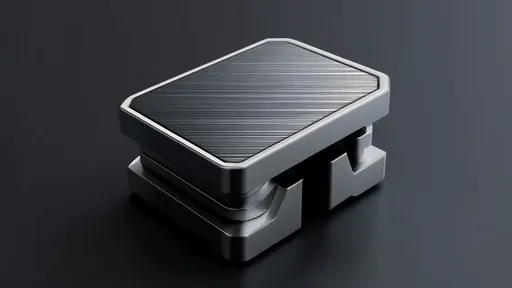
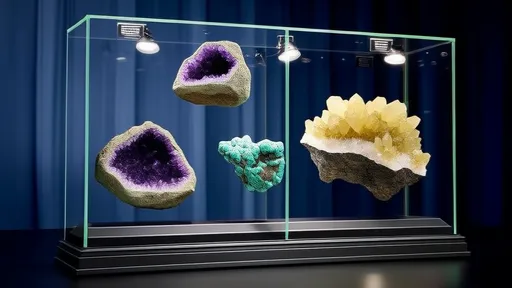
At its core, the anti-seismic inlay technique involves creating custom-fit compartments within display cases or storage units that cradle each specimen securely. Unlike conventional mounting methods that rely on rigid adhesives or tight clamps, this system uses a combination of shock-absorbing materials and flexible frameworks. The result is a display that allows slight movement during disturbances while preventing harmful impacts. Museums and private collectors alike are adopting this method, particularly for irreplaceable or exceptionally fragile pieces that demand the highest level of protection.
The materials used in these inlay systems vary depending on the specific needs of the specimen. For heavier mineral samples, a base layer of viscoelastic polymer provides both support and energy dissipation. Lighter or more delicate specimens might be suspended within a matrix of fine, elastic mesh that dampens vibrations without exerting pressure on fragile crystal structures. What makes this approach particularly elegant is its adaptability—each inlay can be tailored to the exact dimensions and vulnerabilities of the individual specimen, creating what conservators call a "custom seismic signature" for each display.
Beyond pure functionality, the aesthetic considerations of these inlay systems have evolved significantly. Early versions prioritized protection over presentation, often obscuring portions of specimens with bulky damping materials. Contemporary solutions employ nearly transparent gels and minimally visible support structures that seem to float specimens in space. Some advanced systems even incorporate light-refractive materials that enhance the visual appeal of displayed minerals while serving as part of the shock-absorption network. This marriage of form and function represents a significant leap forward in mineral specimen presentation technology.
The development of these techniques didn't occur in isolation. Mineral conservators collaborated extensively with aerospace engineers and earthquake researchers to adapt technologies from other fields. For instance, the frequency-damping algorithms used to protect sensitive satellite components during launch found new application in safeguarding delicate crystal formations. Similarly, research into building materials that withstand seismic events contributed to the composite materials now used in high-end specimen displays. This cross-disciplinary approach has yielded solutions that are both scientifically robust and practically effective.
Field testing of these systems has produced impressive results. In controlled laboratory conditions, specimens mounted with anti-seismic inlays survived simulated earthquakes measuring up to 7.5 on the Richter scale with no damage. Even more telling are real-world applications—several major mineral collections located in seismically active regions have reported zero specimen losses during moderate quakes since implementing these systems. The technology has proven equally valuable for transportation, with vibration-sensitive minerals arriving at international exhibitions in perfect condition despite rough handling during shipping.
As with any emerging technology, challenges remain. The cost of custom anti-seismic inlays can be prohibitive for smaller collections, though economies of scale are gradually making the technology more accessible. There's also an ongoing debate within the conservation community about the long-term effects of certain damping materials on sensitive mineral surfaces. Researchers are actively developing new, inert compounds that provide protection without potential chemical interactions. These efforts ensure that the field continues to advance, offering ever-better solutions for preserving our mineral heritage.
The implications of this technology extend beyond the world of mineral collecting. The same principles are being adapted for protecting delicate archaeological artifacts, rare documents, and even sensitive electronic equipment in hazardous environments. As our understanding of material dynamics grows, so too does our ability to safeguard fragile objects from the unpredictable forces of nature. For mineral enthusiasts and professionals alike, the development of anti-seismic inlay techniques represents a significant step forward in the ongoing quest to preserve Earth's geological wonders for future generations to study and admire.
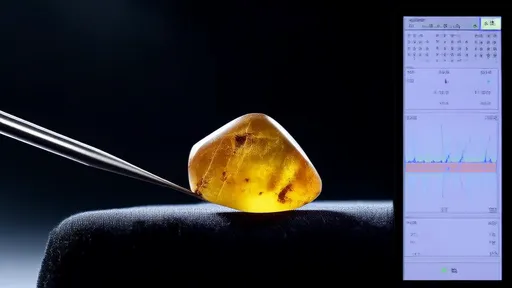
Looking ahead, the integration of smart technologies promises to take these systems to new levels of sophistication. Experimental prototypes now include micro-sensor arrays that monitor vibration levels and adjust damping characteristics in real time. Other designs incorporate self-healing materials that can repair minor damage to the inlay structure without human intervention. While these advanced features remain in development, they hint at a future where mineral specimens enjoy near-perfect protection regardless of environmental conditions. For collectors who have spent lifetimes assembling their mineralogical treasures, such innovations offer priceless peace of mind.
By /Aug 11, 2025
By /Aug 11, 2025
By /Aug 11, 2025

By /Aug 11, 2025

By /Aug 11, 2025
By /Aug 11, 2025
By /Aug 11, 2025

By /Aug 11, 2025

By /Aug 11, 2025

By /Aug 11, 2025

By /Aug 11, 2025

By /Aug 11, 2025

By /Aug 11, 2025
By /Aug 11, 2025
By /Aug 11, 2025
By /Aug 11, 2025
By /Aug 11, 2025

By /Aug 11, 2025

By /Aug 11, 2025

By /Aug 11, 2025