The Japanese pearl industry has long been synonymous with unparalleled quality and precision. In recent years, the integration of artificial intelligence (AI) into pearl sorting and color grading has revolutionized the sector, ensuring even higher standards of consistency and beauty. This technological advancement is particularly critical for maintaining Japan's reputation as a global leader in pearl production, where even the slightest variation in color can significantly impact value and desirability.
Traditionally, pearl sorting was a labor-intensive process requiring highly trained experts to evaluate each pearl's hue, overtone, and luster. While human expertise remains invaluable, AI-powered systems now complement these efforts by providing objective, data-driven assessments. These systems utilize advanced imaging techniques and machine learning algorithms to detect subtle color variations imperceptible to the naked eye. By analyzing thousands of pearls in a fraction of the time it would take a human, AI ensures a level of precision that was previously unattainable.
The Science Behind AI Color Grading
At the heart of this innovation lies hyperspectral imaging, a technology that captures and processes information across the electromagnetic spectrum. Unlike standard RGB cameras, hyperspectral sensors can distinguish between minute differences in wavelength, allowing for incredibly detailed color analysis. When applied to pearls, this technology can identify nuances in iridescence, surface quality, and even internal structures that influence perceived color.
Machine learning models are trained on vast datasets of pre-graded pearls, learning to recognize patterns and correlations between physical characteristics and market value. Over time, these systems become increasingly adept at predicting how human experts would grade a particular pearl, while also identifying new parameters that may have been overlooked in traditional methods. This continuous improvement cycle ensures that AI systems stay aligned with evolving industry standards and consumer preferences.
Impact on Industry Practices
The adoption of AI sorting has transformed several aspects of pearl production and distribution. For cultivators, it provides real-time feedback during the growth process, enabling adjustments to water conditions or nucleation techniques to optimize color development. Processors benefit from dramatically increased throughput without sacrificing accuracy, while distributors gain access to more consistent inventory grading across batches and production years.
Perhaps most significantly, this technology has enhanced transparency throughout the supply chain. By creating digital color profiles for each pearl, buyers can make more informed decisions based on objective data rather than subjective assessments. This is particularly valuable in international markets where buyers may not have the opportunity to physically inspect pearls before purchase.
Preserving Tradition Through Innovation
While some purists initially expressed concerns about technology replacing human expertise, the Japanese pearl industry has skillfully integrated AI as a tool that enhances rather than replaces traditional knowledge. Master graders now work alongside AI systems, using the technology to handle routine sorting while focusing their expertise on the most exceptional specimens and complex grading challenges.
This balanced approach maintains the artistry and heritage of Japanese pearl cultivation while embracing the benefits of modern technology. It represents a thoughtful evolution of centuries-old practices, ensuring they remain relevant and competitive in the 21st century global market.
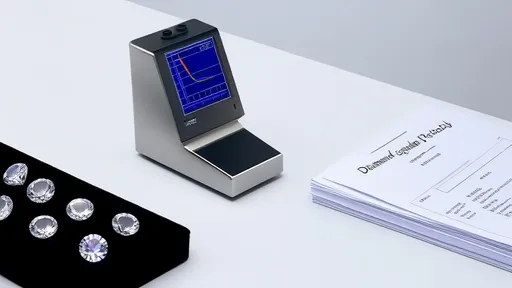
The success of AI in pearl sorting has sparked interest in applying similar technologies to other aspects of gemological evaluation. Researchers are exploring how these systems might be adapted for diamond clarity grading, jade quality assessment, and other applications where human vision has traditionally been the gold standard. As the technology continues to advance, its potential to transform luxury goods authentication and valuation appears limitless.
For Japan's pearl industry, the marriage of cutting-edge AI with time-honored cultivation techniques has created a powerful competitive advantage. By maintaining rigorous quality control through technological innovation, Japanese producers can continue to command premium prices in an increasingly globalized market. This delicate balance between tradition and progress serves as a model for other heritage industries facing the challenges of modernization.

By /Aug 11, 2025

By /Aug 11, 2025

By /Aug 11, 2025

By /Aug 11, 2025

By /Aug 11, 2025

By /Aug 11, 2025
By /Aug 11, 2025

By /Aug 11, 2025

By /Aug 11, 2025

By /Aug 11, 2025

By /Aug 11, 2025

By /Aug 11, 2025

By /Aug 11, 2025

By /Aug 11, 2025

By /Aug 11, 2025

By /Aug 11, 2025
By /Aug 11, 2025

By /Aug 11, 2025

By /Aug 11, 2025

By /Aug 11, 2025