The world of gemological research has taken a significant leap forward with the recent expansion of infrared spectroscopy databases for amber identification. As natural amber continues to captivate collectors and scientists alike, the need for more comprehensive analytical tools has become increasingly apparent. This development marks a crucial step in addressing long-standing challenges in amber authentication and classification.
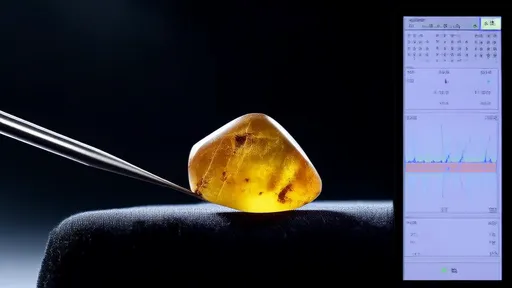
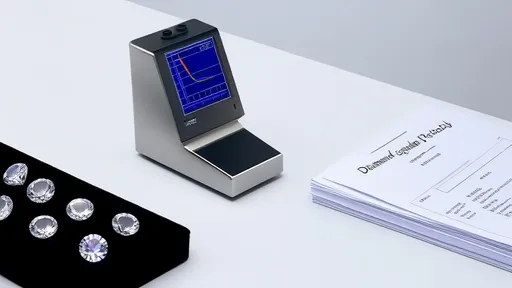
Infrared spectroscopy has long been recognized as a powerful technique for studying the molecular composition of amber. The unique vibrational patterns captured through this method provide a molecular fingerprint that can distinguish between genuine amber and various imitations. However, the effectiveness of this technique has been limited by the relatively small reference databases available to researchers and gemologists.
The newly expanded database incorporates spectra from amber specimens collected across diverse geographical locations, including previously underrepresented regions. This global approach has revealed fascinating variations in the molecular signatures of amber from different deposits. Researchers have noted particular interest in the subtle differences between Baltic amber and specimens from Southeast Asia, which could lead to more precise origin determination methods.
One of the most exciting aspects of this database expansion is the inclusion of spectra from rare and historically significant amber specimens. Museums and private collectors have contributed samples that provide a window into the chemical diversity of amber through different geological periods. This temporal dimension adds depth to our understanding of how environmental conditions affected resin composition before fossilization.
The practical implications for the gem trade are substantial. With more comprehensive reference data, gemologists can now detect sophisticated treatments and enhancements with greater confidence. The improved database helps identify newer types of stabilization processes that were previously difficult to detect, protecting both buyers and sellers in the marketplace.
Beyond commercial applications, this development holds significant value for archaeological and paleontological research. The enhanced database allows for more accurate identification of amber artifacts in cultural heritage studies. Scientists can now trace trade routes with greater precision by matching archaeological finds to specific amber sources based on their infrared signatures.
Conservation efforts also stand to benefit from this technological advancement. By establishing more detailed chemical profiles of amber from different locations, researchers can better monitor and protect amber-bearing ecosystems. The database serves as an important reference for documenting the natural variation within amber deposits, which is crucial for detecting potential environmental changes affecting resin-producing trees.
The expansion project has not been without its challenges. Collecting and standardizing spectra from such diverse samples required international collaboration among research institutions. Differences in equipment and measurement conditions necessitated the development of rigorous calibration protocols to ensure data consistency across the expanded database.
Looking ahead, researchers anticipate further refinements to the database as new analytical techniques emerge. There is particular interest in integrating machine learning approaches to help identify subtle patterns in the spectral data that might elude human analysts. Such developments could lead to even more sophisticated classification systems for amber varieties and treatments.
The scientific community has welcomed this initiative as a significant contribution to gemological research. By making the expanded database accessible to qualified researchers and institutions, the project leaders hope to foster continued innovation in amber studies. This open approach is expected to accelerate discoveries about amber's formation, preservation, and historical significance.
For collectors and enthusiasts, the database expansion means greater confidence in amber authentication. As counterfeiters develop more sophisticated imitation techniques, having robust scientific tools becomes increasingly important. The enhanced infrared spectroscopy references provide an additional layer of security in verifying amber's natural origins.
The educational potential of this resource should not be overlooked. Universities and gemology schools now have access to a much richer collection of reference materials for teaching purposes. Students can explore the fascinating chemical diversity of amber through hands-on work with authentic spectra, preparing the next generation of experts in this specialized field.
This project serves as a model for similar efforts in other areas of gemology. The success of the amber infrared spectroscopy database expansion demonstrates the value of collaborative, data-driven approaches to solving authentication challenges. As techniques continue to evolve, we can expect to see parallel developments for other organic gems and materials.
The expanded database represents more than just a technical achievement—it's a testament to the enduring fascination with amber as a window into Earth's history. From its origins as tree resin to its transformation into a prized gem material, amber continues to reveal new secrets through advanced analytical methods. This latest development ensures that infrared spectroscopy will remain at the forefront of amber research for years to come.
As the database grows and evolves, researchers emphasize the importance of maintaining its quality and relevance. Regular updates and verification processes will be essential to keep pace with new discoveries and changing market conditions. The community's commitment to these standards ensures that the resource will continue to serve both scientific and commercial needs effectively.
The implications of this advancement extend beyond the laboratory. By providing more reliable tools for amber identification, the expanded database supports ethical practices throughout the supply chain. From miners to retailers, all stakeholders benefit from increased transparency and confidence in amber's authenticity and provenance.
This milestone in amber research reminds us of how modern technology can enhance our understanding of ancient materials. As we continue to unravel the complex chemistry of amber, we gain not only scientific knowledge but also a deeper appreciation for this remarkable gift from nature that has captivated humanity for millennia.

By /Aug 11, 2025

By /Aug 11, 2025

By /Aug 11, 2025

By /Aug 11, 2025

By /Aug 11, 2025
By /Aug 11, 2025
By /Aug 11, 2025

By /Aug 11, 2025

By /Aug 11, 2025

By /Aug 11, 2025

By /Aug 11, 2025

By /Aug 11, 2025

By /Aug 11, 2025
By /Aug 11, 2025
By /Aug 11, 2025

By /Aug 11, 2025
By /Aug 11, 2025

By /Aug 11, 2025

By /Aug 11, 2025
By /Aug 11, 2025