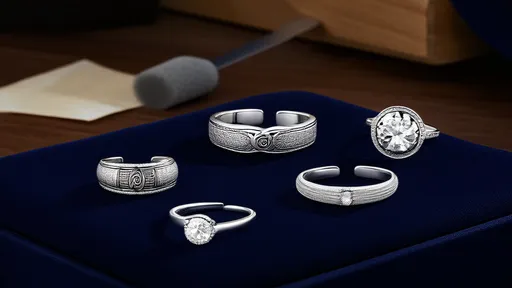
The world of Italian jewelry craftsmanship is steeped in tradition, and few names evoke as much reverence as Buccellati. For generations, the Milan-based maison has set the gold standard for intricate hand-engraving and textured goldwork, techniques passed down through rigorous apprenticeships. Recently, the house held its annual apprentice examinations—a closely guarded ritual that separates skilled artisans from true masters of the craft.
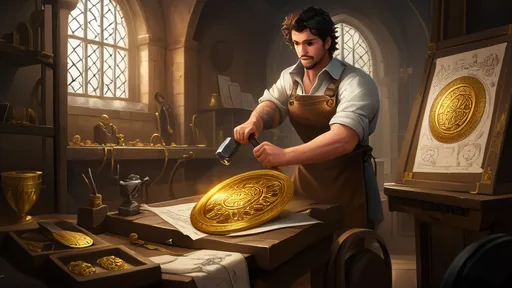
Behind the ornate doors of Buccellati’s workshop, young artisans spend years honing their skills before facing the ultimate test. The examination isn’t merely a formality; it’s a grueling assessment of technical precision, artistic intuition, and an almost obsessive attention to detail. Candidates are tasked with recreating classic Buccellati motifs—lace-like rigato engraving, honeycomb telato textures, or the delicate segrinato cross-hatching—all without mechanical aids. The slightest wobble in a line or uneven depth in a pattern can mean failure.
What sets Buccellati’s apprenticeship apart is its insistence on merging tradition with individuality. While apprentices must master century-old techniques, they’re also expected to develop a distinctive hand. "We don’t want clones," remarked senior maestro Luca Bartolesi, who has overseen the program for two decades. "The exam evaluates whether they can breathe life into metal, not just replicate." This philosophy explains why Buccellati pieces, though bearing a unified aesthetic, carry subtle signatures of their makers.
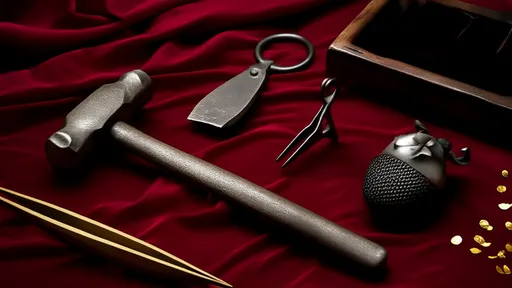
The pressure during the final evaluation is palpable. Apprentices work under timed conditions, with master engravers circling like hawks. Tools are limited to those used in the Renaissance: scorpers, gravers, and hand-held chasing hammers. Modern magnification is permitted, but only to a point—the human eye remains the final judge. One misstep with the burin, and months of preparation unravel. "It’s not uncommon for candidates to repeat the process three or four times," shared Giovanna Buccellati, the family’s current creative director. "Perfection isn’t negotiable."
Successful candidates emerge with more than a certificate; they earn the right to stamp their work with the Buccellati seal—a privilege granted to fewer than twenty living artisans worldwide. Those who fail? They’re encouraged to continue training, though some inevitably pivot to commercial jewelry production. The house maintains that this exclusivity preserves the brand’s mystique. As one recent graduate put it: "When you’re given a Buccellati piece, you’re holding hundreds of hours of someone’s life in your hands."
Beyond technical prowess, the exam probes an apprentice’s understanding of Buccellati’s heritage. Oral assessments cover archival designs, the symbolism behind floral and animal motifs, and even the provenance of historic gems. This scholarly component surprises many outsiders, but as Bartolesi explains: "You can’t innovate meaningfully without knowing what came before." The maison’s archives—containing sketches from founder Mario Buccellati’s era—serve as both textbook and inspiration.
In an age of 3D-printed jewelry and laser engraving, Buccellati’s insistence on manual craftsmanship seems almost radical. Yet it’s this very anachronism that fuels demand. Collectors willingly pay premiums for pieces bearing the "handworked by" signature, knowing no two are identical. The apprenticeship program, though small, ensures this legacy continues. As the latest cohort of graduates begins their careers, one truth endures: in the silent concentration of Buccellati’s workshops, Renaissance artistry lives on—one chisel stroke at a time.

By /Aug 11, 2025

By /Aug 11, 2025

By /Aug 11, 2025
By /Aug 11, 2025

By /Aug 11, 2025

By /Aug 11, 2025

By /Aug 11, 2025

By /Aug 11, 2025

By /Aug 11, 2025

By /Aug 11, 2025
By /Aug 11, 2025

By /Aug 11, 2025

By /Aug 11, 2025

By /Aug 11, 2025

By /Aug 11, 2025

By /Aug 11, 2025

By /Aug 11, 2025
By /Aug 11, 2025

By /Aug 11, 2025

By /Aug 11, 2025