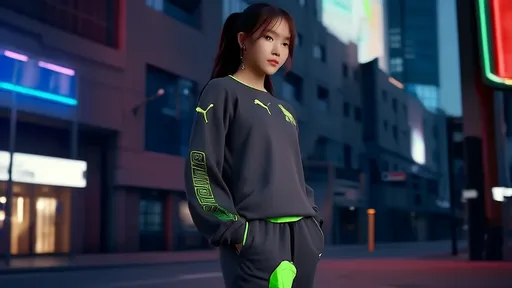
The recent collaboration between global K-pop sensation Rosé and sportswear giant Puma has once again demonstrated the enduring power of celebrity partnerships in driving brand growth. As the BLACKPINK member unveiled her capsule collection with the German athletic brand, social media erupted with fan enthusiasm, proving that even in an era of influencer saturation, A-list star power remains a potent commercial catalyst.
What makes these high-profile collaborations so effective isn't merely about slapping a famous name on existing products. The Rosé x Puma line showcases thoughtful design elements that reflect the artist's personal style - from the minimalist color palette to the subtle incorporation of her signature motifs. This authenticity creates a gravitational pull that transcends traditional marketing, turning merchandise into cultural artifacts that fans feel personally connected to.
The psychology behind such collaborations reveals why they outperform conventional advertising. When consumers purchase a Rosé-endorsed Puma hoodie, they're not just buying apparel - they're acquiring a tangible piece of their idol's aesthetic universe. This emotional transaction explains why limited-edition celebrity collections often sell out within minutes, despite premium pricing. The merchandise becomes a badge of belonging to an exclusive community of fans and fashion insiders.
Puma's strategic choice of Rosé as a collaborator reflects meticulous brand alignment. As both a global music icon and recognized fashion plate, Rosé embodies the intersection of athletic wear and high fashion that Puma has been cultivating. Her massive Gen Z following across Asia, Europe, and the Americas delivers precisely the demographic that sportswear brands most covet - young, style-conscious consumers with disposable income.
The operational mechanics of these partnerships have evolved significantly. Unlike traditional endorsement deals where celebrities simply appear in campaigns, modern collaborations like Rosé x Puma involve deep creative participation from the star. This shift from spokesperson to co-creator results in products that feel genuinely imbued with the celebrity's essence, making them far more compelling to fans. The collection's success lies in its ability to let consumers feel they're wearing something Rosé herself would design and wear, not just promote.
Social media has transformed these collaborations into cultural events rather than mere product launches. The organic buzz generated by Rosé's 70 million Instagram followers creates a multiplier effect no paid media campaign could match. Each fan post showing the purchased items generates exponential visibility, effectively turning consumers into brand ambassadors. This viral dynamic explains why Puma reported website traffic spikes and inventory depletion patterns mirroring concert ticket sales for major artists.
What's particularly fascinating about the Rosé x Puma phenomenon is how it demonstrates the globalization of celebrity influence. While Western stars once dominated such collaborations, K-pop idols now command equal if not greater clout in the fashion world. Their meticulously crafted personas and intensely loyal fanbases make them ideal partners for brands seeking global reach with local relevance. The emotional connection between K-pop stars and their fans creates a commercial intensity that transcends language and cultural barriers.
The financial impact of such partnerships extends far beyond immediate sales. Successful collaborations like this one enhance brand perception, attract new customer segments, and create lasting value through association with cultural relevance. For Puma, aligning with Rosé reinforces its positioning at the intersection of performance sportswear and streetwear fashion - a crucial battleground in the ongoing rivalry with Nike and Adidas.
As consumer attention becomes increasingly fragmented, the ability of celebrity collaborations to cut through noise remains unparalleled. The Rosé x Puma partnership exemplifies how these ventures have matured from simple endorsements to sophisticated co-creation projects that deliver authentic value to both brands and fans. In an age where traditional advertising struggles for relevance, the alchemy of star power and product design continues to prove itself as marketing's golden ticket.
Looking ahead, the success of this collaboration suggests we'll see even more ambitious celebrity partnerships as brands recognize their unique ability to generate hype, drive sales, and cement cultural relevance simultaneously. The key lesson from Rosé and Puma's triumph lies in understanding that today's consumers don't just want products - they want pieces of the stories and personalities they admire, rendered wearable through thoughtful design and genuine celebrity involvement.
By /Aug 15, 2025

By /Aug 15, 2025

By /Aug 15, 2025

By /Aug 15, 2025

By /Aug 15, 2025
By /Aug 15, 2025

By /Aug 15, 2025
By /Aug 15, 2025
By /Aug 15, 2025
By /Aug 15, 2025
By /Aug 15, 2025
By /Aug 15, 2025
By /Aug 15, 2025

By /Aug 15, 2025

By /Aug 15, 2025

By /Aug 15, 2025
By /Aug 15, 2025
By /Aug 15, 2025
By /Aug 15, 2025
By /Aug 15, 2025