The fashion industry has always been at the forefront of innovation, embracing new technologies to redefine creativity and consumer engagement. As we approach 2025, the rise of the metaverse is poised to revolutionize fashion in ways previously unimaginable. Virtual fashion weeks, digital garments, and blockchain-based ownership are no longer futuristic concepts—they are rapidly becoming integral to the industry’s evolution. The implications are vast, from sustainability to accessibility, and the very definition of what fashion means is being rewritten.
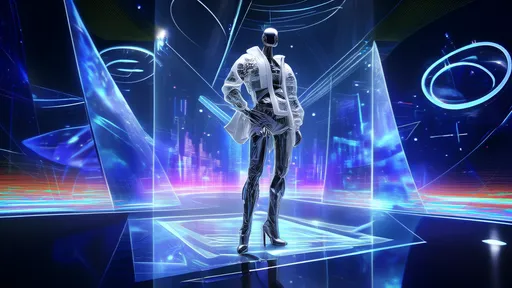
At the heart of this transformation is the virtual fashion week, an event that transcends physical boundaries. Unlike traditional runway shows, which are limited by venue capacity and geographical constraints, virtual fashion weeks invite a global audience to experience collections in immersive digital environments. Designers are no longer restricted by fabric or physics; they can create gravity-defying silhouettes, animated textures, and even garments that change in real-time based on viewer interaction. This shift democratizes fashion, allowing emerging designers from Lagos to Jakarta to showcase their work alongside established luxury houses without the exorbitant costs of physical shows.
Sustainability is another critical dimension of this shift. The environmental toll of producing physical samples, shipping garments across continents, and hosting large-scale events has long been a concern. Virtual fashion weeks eliminate much of this waste. Digital garments require no fabric, no dye, and no carbon-emitting logistics. While some argue that the energy consumption of blockchain and virtual platforms poses its own ecological challenges, the net reduction in physical waste is undeniable. For an industry under increasing pressure to adopt eco-friendly practices, the metaverse offers a compelling alternative.
The consumer experience is also undergoing a radical transformation. In the metaverse, attendees don’t just watch a show—they participate in it. Avatars wearing digital couture can front-row at a virtual Paris Fashion Week, network with other attendees in exclusive after-parties, or even purchase limited-edition NFTs tied to the collection. This blurring of lines between audience and performer creates a new level of engagement. Brands are leveraging gamification, allowing users to "try on" digital outfits via augmented reality (AR) filters or purchase wearable NFTs for their avatars in platforms like Decentraland or Roblox. The result is a fashion ecosystem that is interactive, personalized, and endlessly customizable.
Ownership and exclusivity are being redefined through blockchain technology. Digital fashion items, authenticated as NFTs, provide verifiable scarcity and provenance. A virtual dress worn by an influencer in a metaverse event can become a coveted collectible, traded on secondary markets for significant sums. This opens new revenue streams for designers, who can earn royalties on resales—a stark contrast to the traditional model where profits diminish after the initial sale. For consumers, owning a digital piece from a coveted collection carries the same prestige as owning a physical item, if not more, in certain circles.
Yet, challenges remain. The infrastructure required to support seamless virtual fashion experiences is still evolving. High-quality VR headsets remain expensive, and not all consumers are comfortable navigating virtual spaces. There’s also the question of how physical and digital fashion will coexist. Will consumers invest in digital-only pieces, or will they expect hybrid offerings—physical garments paired with digital twins? The answer likely lies in generational shifts; younger, digitally native consumers are already more inclined to spend on virtual goods, while older demographics may remain skeptical.
By 2025, the metaverse’s impact on fashion will extend beyond novelty into necessity. Brands that fail to adapt risk being left behind as the industry pivots toward a more inclusive, sustainable, and technologically integrated future. Virtual fashion weeks are just the beginning—the next frontier includes AI-driven design tools, virtual showrooms for wholesale buyers, and even digital-only fashion houses. The lines between the physical and digital realms will continue to blur, and the most successful players will be those who embrace this duality rather than resist it.
The fashion industry has always thrived on reinvention, and the metaverse is its latest canvas. As designers, consumers, and technologists collaborate to shape this new landscape, one thing is certain: the way we create, consume, and conceptualize fashion will never be the same.

By /Aug 15, 2025

By /Aug 15, 2025

By /Aug 15, 2025
By /Aug 15, 2025

By /Aug 15, 2025
By /Aug 15, 2025

By /Aug 15, 2025

By /Aug 15, 2025

By /Aug 15, 2025
By /Aug 15, 2025
By /Aug 15, 2025

By /Aug 15, 2025
By /Aug 15, 2025

By /Aug 15, 2025

By /Aug 15, 2025

By /Aug 15, 2025
By /Aug 15, 2025
By /Aug 15, 2025
By /Aug 15, 2025
By /Aug 15, 2025