The fashion landscape is undergoing a quiet revolution, one that begins closest to the skin. As we approach 2025, the boundaries between lingerie and outerwear continue to dissolve, giving rise to an era where intimate apparel becomes the statement piece. From delicate French lace undergarments peeking through sheer blouses to the unexpected rise of male nipple covers on runways, the new accessory trends challenge our very definitions of what constitutes fashion.
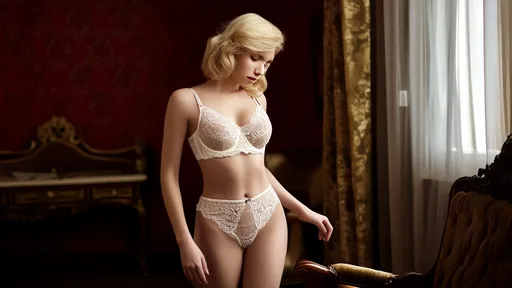
The lingerie liberation movement has evolved beyond its feminist roots into a full-fledged aesthetic philosophy. Parisian ateliers report a 300% increase in demand for custom lace bodysuits designed to be worn as evening tops, while New York stylists are layering silk camisoles over tailored suits. This isn't about sexuality - it's about texture, contrast, and the thrill of revealing just enough structure beneath fluid silhouettes. The most coveted pieces feature antique-inspired lace patterns reworked with sustainable threads, often incorporating subtle metallic fibers that catch the light.
Meanwhile, a gender-neutral approach to intimate wear is reshaping department store layouts worldwide. The traditional pink-and-black lingerie sections are making way for minimalist displays where silk boxer briefs sit beside bralettes in identical color palettes. Japanese designers lead this charge with origami-inspired folds that create flattering shapes regardless of body type. The real surprise comes in the details: magnetic closures replacing hooks, temperature-regulating fabrics, and modular designs that convert from day to night wear.
On the opposite end of the spectrum, the male grooming revolution has birthed an entirely new category of fashion accessories. What began as functional nipple protection for athletes has morphed into a style statement. Runways from Milan to Shanghai showcase sheer shirts styled with decorative pasties in metallic finishes or bold prints. Luxury brands are releasing limited-edition sets featuring their signature motifs - imagine the Louis Vuitton monogram or Gucci's interlocking G's adorning what was once purely utilitarian.
The workplace isn't immune to these shifts. Power dressing now includes power underdressing, with C-suite executives opting for lingerie-inspired pieces that project confidence. Tailored jackets worn over lace corsets create striking juxtapositions in boardrooms, while silk slips replace traditional blouses under sharp blazers. This trend speaks to a broader cultural moment where vulnerability and strength coexist - the armor isn't disappearing, it's simply becoming more nuanced.
Technology plays a crucial role in these developments. Smart fabrics now monitor posture through built-in sensors in bra straps, while self-adjusting waistbands respond to body temperature fluctuations. One Berlin-based startup gained attention for their "mood lace" that changes opacity based on skin conductivity. These innovations transform intimate apparel into interactive fashion, blurring lines between accessory, garment, and wearable tech.
Perhaps most surprisingly, the sustainability angle has propelled these trends forward. Consumers increasingly reject fast fashion's disposable mentality, instead investing in heirloom-quality undergarments. French heritage brands report clients passing down lace pieces through generations, while eco-conscious startups develop biodegradable adhesives for disposable nipple covers. The message is clear: true luxury lies in craftsmanship and longevity, even for items closest to the skin.
Social media continues to democratize these trends, with TikTok's #VisibleLingerie hashtag amassing billions of views. Young creators mix vintage slips with streetwear, pairing grandmother's lace-trimmed camisoles with distressed denim. The aesthetic celebrates contrast - hard versus soft, masculine versus feminine, private versus public. This cultural shift reflects Generation Z's comfort with fluid identities and rejection of rigid fashion rules.
As fashion weeks approach, industry insiders predict these intimate accessories will dominate. Designers are experimenting with LED-embedded lace for evening wear and developing patent leather pasties as edgy alternatives to jewelry. The common thread? A celebration of the human form through thoughtful design. Whether it's a whisper-thin silk strap peeking from a power suit or a strategically placed metallic adornment, 2025's fashion revolution starts beneath the surface.
By /Aug 15, 2025

By /Aug 15, 2025
By /Aug 15, 2025

By /Aug 15, 2025

By /Aug 15, 2025
By /Aug 15, 2025

By /Aug 15, 2025
By /Aug 15, 2025
By /Aug 15, 2025
By /Aug 15, 2025
By /Aug 15, 2025
By /Aug 15, 2025
By /Aug 15, 2025

By /Aug 15, 2025

By /Aug 15, 2025
By /Aug 15, 2025
By /Aug 15, 2025
By /Aug 15, 2025
By /Aug 15, 2025
By /Aug 15, 2025